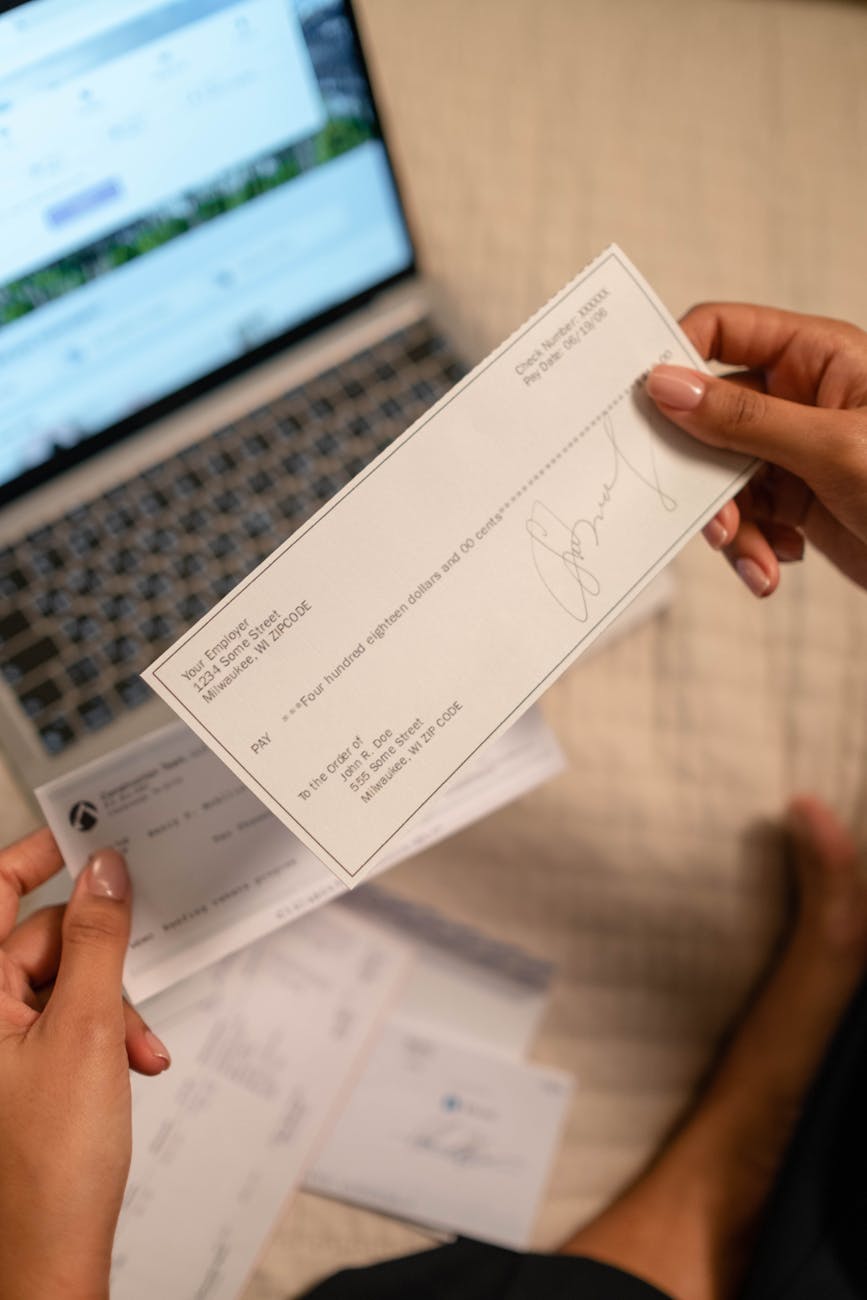
Getting your first real paycheck feels exciting. You’ve worked hard, and now you’re finally getting paid. But once that money hits your account, it can be easy to feel unsure about what to do next. Should you start saving? Pay off debt? Spend a little?
You’re not alone. A lot of Gen Z workers are asking this exact question. Let’s walk through a simple step-by-step plan for what to do with your first paycheck so you can feel confident with your money from the start.
Step 1: Know How Much You’re Actually Taking Home
Your salary is not the same as what you bring home. Taxes, Social Security, Medicare, and other deductions will lower the number you see in your bank account. That’s called your net pay—or take-home pay.
For example, if your job pays $45,000 per year, your monthly take-home pay might be closer to $2,800 after taxes, depending on where you live.
Look at your pay stub or direct deposit notification. Understanding your real income is the first step to building a smart plan.
Step 2: Create a Simple Budget Plan
Here’s a popular budget that works well for many people starting out:
The 50/30/20 Rule:
- 50% for needs: rent, groceries, transportation, insurance, minimum loan payments
- 30% for wants: dining out, entertainment, travel, subscriptions
- 20% for savings and extra debt payments
Let’s say your monthly take-home pay is $2,800:
- $1,400 = needs
- $840 = wants
- $560 = savings or debt payoff
This is just a guideline. If your rent is high or you have student loans, you might adjust the numbers. The key is to give every dollar a job.
Step 3: Build a Starter Emergency Fund
Before you go full speed into investing or paying off debt, try to set aside at least $500 to $1,000 for emergencies. This will help cover things like car repairs, medical bills, or losing your job.
A Bankrate study found that only 44% of Gen Z have enough savings to cover a $1,000 emergency. Starting with just $25–50 a week can get you there in a few months.
Use a separate savings account so you’re not tempted to spend it. Online banks often offer higher interest rates than traditional ones.
Step 4: Pay Off High-Interest Debt
If you have credit card debt, make a plan to pay it down quickly. Interest rates are often above 20%, which can keep you stuck in debt for years.
Start by paying more than the minimum each month. You can use the “snowball” method (pay off the smallest balance first) or the “avalanche” method (pay off the highest interest rate first).
If you don’t have any debt, great. You can skip this step for now—but stay careful with credit cards going forward.
Step 5: Start Saving for Long-Term Goals
Once you’ve got an emergency fund started and you’re managing any debt, it’s time to think about the future.
Here are two simple ways to save long-term:
- Open a Roth IRA: A great way to invest for retirement. Your money grows tax-free.
- Set up a high-yield savings account: Good for saving for a car, travel, or moving out.
According to a 2024 Investopedia survey, over half of Gen Z already invests in some form. Even $25–50 a month can make a big difference over time.
Step 6: Budget for Fun—Without Guilt
It’s important to enjoy your money, too. After all, you worked hard for it.
Give yourself permission to spend a portion of your paycheck on fun things—within reason. That could be brunch with friends, a concert, or a weekend trip.
The key is balance. Overspending now can make things harder later. But never spending at all can make budgeting feel like punishment.
Real Talk: What Other Gen Z Workers Say
Many Reddit users share the same struggles:
- “I blew my first paycheck on sneakers and DoorDash. Wish I had started saving right away.”
- “Didn’t realize how fast bills add up. Rent, car insurance, groceries—gone in a week.”
- “Started putting $50 per paycheck into savings. It added up way faster than I expected.”
These are real stories from people learning as they go. You don’t have to be perfect, just intentional.
Sage Final Takeaway
Your first paycheck is a big deal—and what you do with it sets the tone for your financial future. Start by covering your essentials, save a little, tackle any debt, and still leave room for fun. You don’t have to get everything right all at once. But taking action early will help you feel less stressed and more in control of your money.
 The Saving Sage