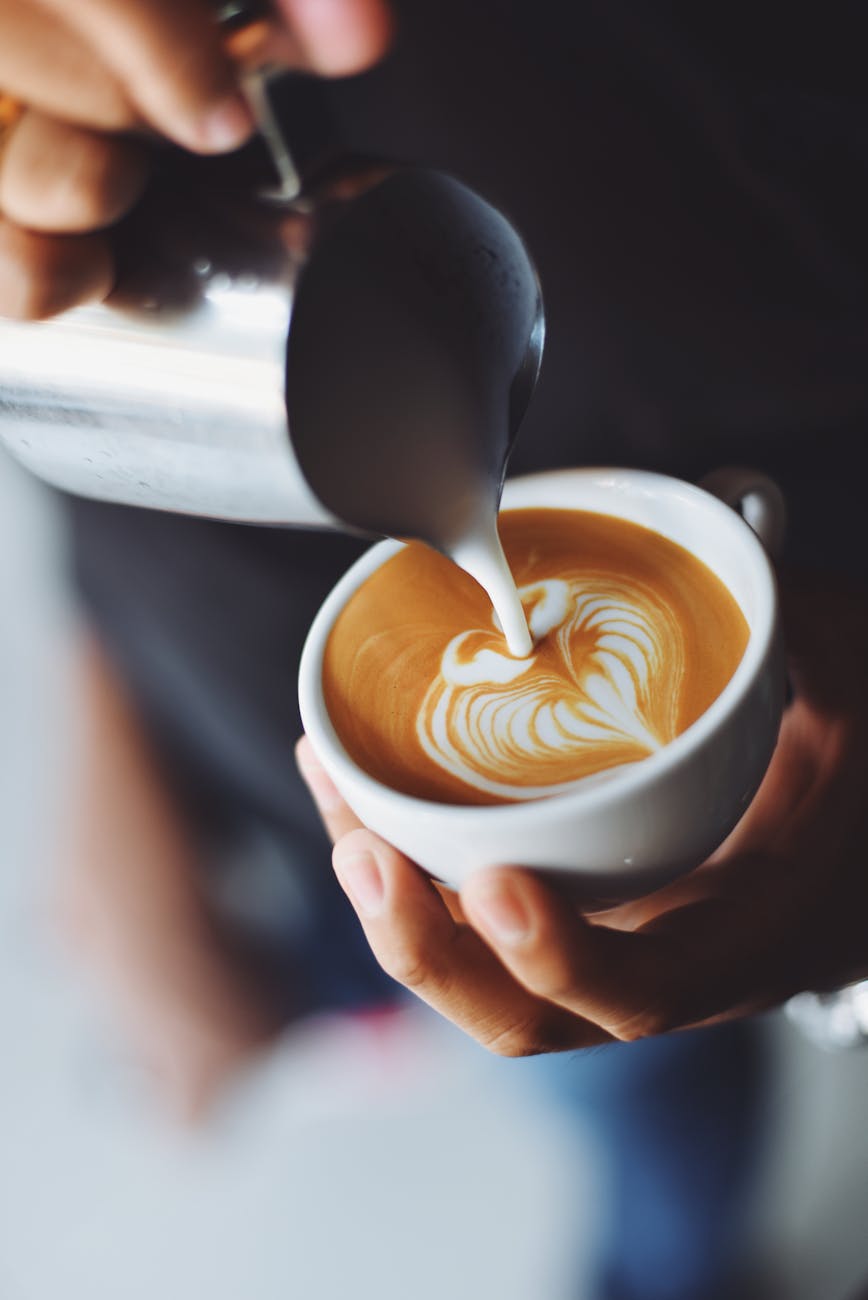
Think your daily spending habits aren’t a big deal? You’re not alone. Many people underestimate how much small expenses add up over time. Buying a $5 coffee each morning feels harmless—until you realize that’s $1,825 a year just on coffee. The truth is, everyday spending habits can quietly drain your bank account without you noticing.
Here are five of the most common habits that cost people hundreds (sometimes thousands) every year—and what you can do to break them.
1. Daily Takeout and Coffee Runs
Grabbing lunch or coffee on the go is convenient, but the costs pile up fast. The Bureau of Labor Statistics reports that the average American spends over $3,500 a year dining out. Add delivery fees, tips, and impulse menu add-ons, and that number climbs even higher.
How to fix it:
- Brew your coffee at home and bring it in a reusable cup.
- Prep easy lunches like sandwiches, wraps, or salads for the week.
- Track your food spending with apps like Mint or YNAB to see where you can cut back.
2. Subscription Overload
Streaming services, gym memberships, beauty boxes, software subscriptions—it’s easy to sign up and forget about them. C+R Research found that the average person spends $219 a month on subscription services, and many aren’t even used regularly.
How to fix it:
- Audit your subscriptions every three months and cancel what you don’t use.
- Use a subscription tracking app like Truebill or Bobby.
- Share family or group plans when possible to split costs.
3. Impulse Online Shopping
Social media ads and “limited-time offers” are designed to get you to spend without thinking. Credit Karma reports that 64% of Gen Z admit to making impulse purchases because of TikTok or Instagram ads. Beyond the purchase price, shipping fees and unused items add up too.
How to fix it:
- Wait 24–48 hours before buying something you see online.
- Remove saved credit card details from your online accounts so checkout takes more effort.
- Unsubscribe from store emails and texts to avoid temptation.
4. Paying Full Price Instead of Using Rewards or Discounts
Not taking advantage of discounts, coupons, or reward points means leaving money on the table. RetailMeNot reports that only 41% of eligible shoppers use available coupons or reward programs.
How to fix it:
- Join rewards programs for stores you already shop at.
- Use cashback browser extensions like Rakuten or Honey.
- Combine sales with coupons or rebates for maximum savings.
5. Overusing Ride-Sharing and Food Delivery Apps
Uber, Lyft, DoorDash, and Instacart are convenient but come with hefty fees. Ordering delivery twice a week can easily add $1,000 or more to your yearly expenses.
How to fix it:
- Set a monthly budget for ride-sharing and delivery services.
- Pick up takeout yourself to save on delivery fees.
- Use public transportation, walk, or carpool when possible.
Bonus Tips for Breaking Bad Spending Habits
- Track all your expenses for 30 days to see where your money is going.
- Create a “fun money” budget so you can still enjoy small treats without overspending.
- Automate transfers to your savings account right after payday so you save before you spend.
Sage Final Thoughts
Small, everyday spending habits can add up to hundreds—or even thousands—of dollars every year without you realizing it. The good news? You don’t need to cut out every little indulgence. By being intentional, setting limits, and making small changes, you can keep more money in your pocket while still enjoying life.
 The Saving Sage